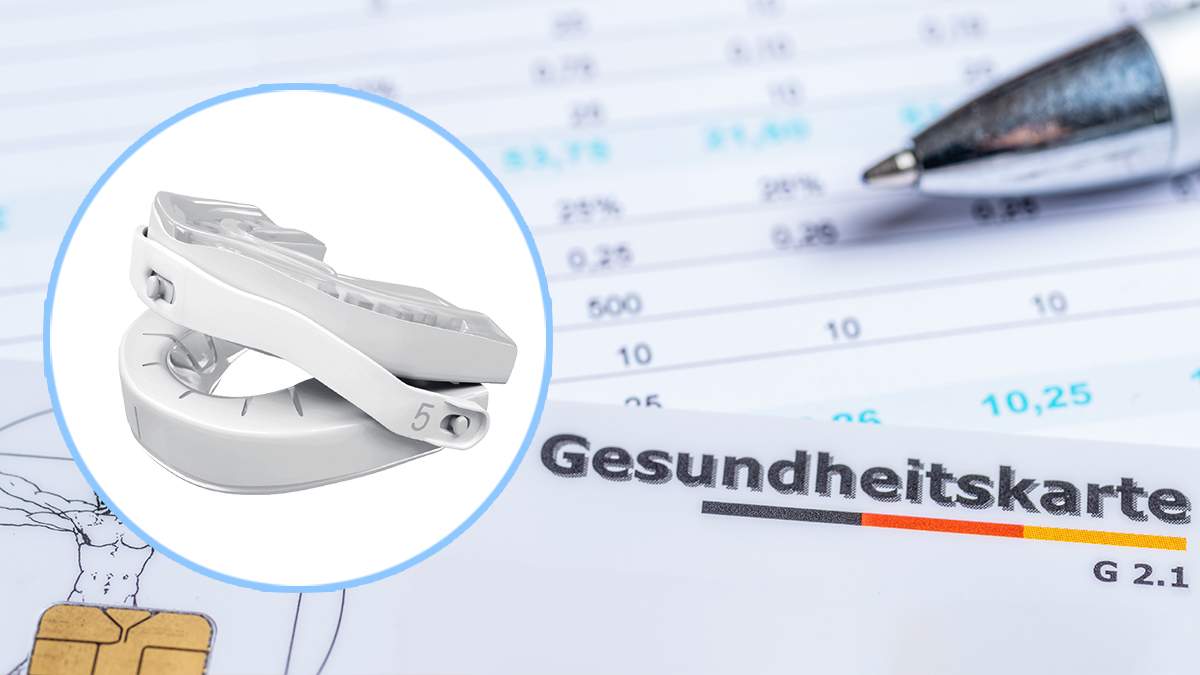
Reclaiming Silent Nights: Health Insurance Coverage for Anti-Snoring Splints (2022)
Snoring is far more than just a noisy nuisance; for many, it's a disruptive force that robs both the snorer and their sleep partner of restful nights. While some experience mild, occasional snoring, for others, it's a symptom of a more serious underlying health issue: Obstructive Sleep Apnea (OSA). The good news for those seeking effective solutions is that the medical community increasingly recognizes the therapeutic value of anti-snoring splints, also known as mandibular advancement devices (MADs) or protrusion splints. This recognition culminated in a significant development in 2022, particularly in regions like Germany, where health insurance providers began covering the costs of custom-fitted anti-snoring splints, signaling a shift towards acknowledging their efficacy as a legitimate medical treatment. In the dental and medical world, these innovative devices are sometimes referred to by their German name, Schiene Gegen Schnarchen, directly translating to "splint against snoring," highlighting their precise purpose.
Understanding Obstructive Sleep Apnea (OSA) and its Connection to Snoring
To truly appreciate how anti-snoring splints work, it's essential to understand the primary culprit behind severe snoring and its associated health risks: Obstructive Sleep Apnea Syndrome (OSAS). This condition occurs when the muscles in the throat and tongue relax excessively during sleep. As a result, the tongue can fall back into the throat, partially or completely blocking the airway. This obstruction leads to pauses in breathing (apneas), which can last for several seconds or even minutes, followed by a gasp or snort as the sleeper's body momentarily rouses to reopen the airway. These repeated interruptions prevent deep, restorative sleep.
Beyond the loud, often irregular snoring, OSA can manifest with various concerning symptoms:
- Chronic daytime fatigue and sleepiness, regardless of how much time is spent in bed.
- Difficulty concentrating, memory problems, and decreased productivity.
- Irritability and mood changes.
- Morning headaches.
- High blood pressure and increased risk of cardiovascular diseases.
- Increased risk of accidents due to drowsiness.
Effective treatment for OSA isn't just about stopping the noise; it's about safeguarding overall health and significantly improving quality of life.
How Anti-Snoring Splints (Protrusion Splints) Work to Restore Peaceful Sleep
An anti-snoring splint, specifically a protrusion splint, operates on a simple yet highly effective biomechanical principle. During sleep, it gently holds the lower jaw (mandible) in a slightly forward position. This subtle advancement tightens the soft tissues and muscles at the back of the throat, including the base of the tongue. By maintaining tension in these areas, the splint prevents the tongue from collapsing backward and obstructing the airway. The result is an open airway, unhindered breathing, and a significant reduction or complete cessation of snoring and sleep apneas.
The effectiveness of these devices, whether you call them dental splints to stop snoring and treat sleep apnea or Schiene Gegen Schnarchen, lies in their precision. Unlike generic solutions, a properly fitted protrusion splint must subtly adjust the jaw without causing discomfort or strain on the temporomandibular joint (TMJ) or teeth. This delicate balance is crucial for both efficacy and patient compliance.
Health Insurance Coverage for Anti-Snoring Splints: What Changed in 2022?
A pivotal moment for individuals suffering from severe snoring and OSA occurred on January 1, 2022. In countries like Germany, public health insurance providers (Krankenkassen) officially began covering the costs for custom-made anti-snoring splints, specifically for patients diagnosed with moderate to severe Obstructive Sleep Apnea. This change was a landmark decision, reflecting a growing consensus within the medical community about the proven efficacy of these devices as a primary treatment option for OSA, particularly for those who cannot tolerate or benefit from CPAP therapy.
Prior to 2022, coverage for anti-snoring splints was often inconsistent or required significant out-of-pocket expenses, placing a financial burden on patients. The decision to include custom-fitted splints in the standard catalogue of covered services signifies a clear acknowledgment of their medical necessity and therapeutic value. This means that if you are diagnosed with OSA by a sleep specialist or ENT and meet specific criteria, your journey towards a healthier, snore-free sleep could now be significantly more accessible. However, it's vital for patients to always consult their specific health insurance provider to understand the exact terms, conditions, and requirements for coverage, as policies can vary.
Custom-Fit vs. Over-the-Counter Splints: Why Precision Matters
While the market is flooded with various anti-snoring products, including numerous over-the-counter (OTC) splints, the medical and dental communities unequivocally emphasize that only individually customized anti-snoring splints are truly effective and safe for treating OSA. This distinction is so critical that it forms the very basis of health insurance coverage – standard, mass-produced splints are generally not reimbursed, as they lack the necessary precision and therapeutic value.
Think of the human chewing apparatus – your teeth, jaws, and supporting muscles – as a finely tuned clockwork. Even minor misalignments can lead to widespread issues, from jaw pain and headaches to more severe problems with the TMJ. OTC splints, often made from thermoplastic materials that you mold at home, simply cannot account for the unique anatomy of each individual's mouth. They may offer a temporary, crude solution for very mild snoring, but they are entirely unsuitable for the complex demands of treating sleep apnea. Potential risks of using non-customized splints include:
- Ineffective treatment, failing to adequately open the airway.
- Jaw pain, tenderness, or temporomandibular joint (TMJ) dysfunction.
- Dental issues, such as tooth misalignment or damage.
- Discomfort, leading to poor compliance and abandonment of treatment.
- Potentially worsening the condition by providing a false sense of security without addressing the underlying problem.
The evidence overwhelmingly supports custom-fit snoring splints over OTC alternatives. A professional, custom-fitted Schiene Gegen Schnarchen is meticulously crafted to ensure optimal mandibular advancement without compromising oral health or comfort. This personalized approach is what makes the difference between a temporary fix and a lasting solution for restful sleep.
The Process of Getting a Custom Anti-Snoring Splint: A Step-by-Step Guide
Obtaining a custom-fitted anti-snoring splint involves a collaborative effort between various medical specialists, ensuring the treatment is appropriate and effective for your specific condition. Here’s a typical journey:
- Initial Diagnosis by a Specialist: The first step usually involves a visit to an Ear, Nose, and Throat (ENT) specialist or a sleep medicine physician. They will conduct a thorough examination, review your medical history, and often perform a sleep study (polysomnography) to accurately diagnose the presence and severity of sleep apnea. They will also rule out other potential causes of snoring or sleep disturbances.
- Referral to a Dentist: Once OSA is diagnosed and an anti-snoring splint is deemed a suitable treatment option (especially for mild to moderate cases, or as an alternative to CPAP), you will be referred to a dentist specializing in sleep medicine or prosthodontics.
- Dental Consultation and Impressions: The dentist will assess your oral health, including your teeth, gums, and jaw structure, to ensure you are a good candidate for a splint. They will then take precise impressions of your upper and lower teeth, along with detailed measurements of your bite and jaw position.
- Custom Fabrication: Using these impressions and measurements, a dental laboratory will custom-fabricate your unique protrusion splint. This process ensures the splint fits perfectly and advances your lower jaw to the optimal position for airway opening.
- Fitting and Adjustment: During a follow-up appointment, your dentist will meticulously fit the splint, making any necessary micro-adjustments to ensure comfort, efficacy, and proper jaw alignment. This fine-tuning is critical to prevent discomfort or adverse effects on your bite.
- Follow-Up and Monitoring: Regular follow-up appointments will be scheduled to monitor the splint's effectiveness, address any comfort issues, and ensure your sleep apnea is adequately managed. Sometimes, additional sleep studies might be recommended to confirm the treatment's success.
This comprehensive, multi-disciplinary approach ensures that your anti-snoring splint is not just a device, but a tailored medical solution designed to deliver genuine relief and improve your overall health.
The developments in health insurance coverage for anti-snoring splints in 2022 represent a significant stride forward in making effective sleep apnea treatment more accessible. For those struggling with the disruptive and often health-threatening consequences of snoring and OSA, a custom-fitted anti-snoring splint, or Schiene Gegen Schnarchen, offers a proven path to quieter nights and healthier days. By understanding the distinction between custom-made and over-the-counter devices, and by following a professional diagnostic and fitting process, individuals can confidently pursue a treatment that is both effective and, increasingly, financially supported.