How Dental Splints Stop Snoring and Treat Sleep Apnea
The nightly symphony of snoring is a common disruptor, affecting not just the snorer but also their partners and household. While often dismissed as a mere nuisance, snoring can be a tell-tale sign of a more serious underlying condition: Obstructive Sleep Apnea Syndrome (OSAS). Fortunately, modern dentistry offers an effective, non-invasive solution in the form of specialized dental splints, often referred to in German as "Schiene Gegen Schnarchen" – a direct and fitting description for these anti-snoring devices.
These custom-made oral appliances have revolutionized the treatment of snoring and mild to moderate sleep apnea, offering a path to quieter nights and significantly improved sleep quality. This article will delve into how these innovative splints work, why they are so effective, and what you should consider when seeking treatment.
Understanding Snoring and Obstructive Sleep Apnea
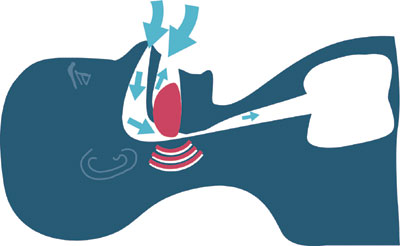
To truly appreciate the efficacy of dental splints, it's essential to understand the root cause of the problem. Snoring occurs when the airflow through the mouth and nose is partially obstructed during sleep. As air forces its way through the narrowed passage, the soft tissues of the throat vibrate, creating the characteristic snoring sound.
However, when this obstruction becomes complete and recurrent, it leads to Obstructive Sleep Apnea Syndrome (OSAS). OSAS is a serious medical condition characterized by repeated episodes of complete or partial upper airway obstruction during sleep. This happens when the muscles in the throat and tongue relax excessively, causing the tongue to fall backward and block the airway. The result is a cessation of breathing, or apnea, which can last for several seconds to over a minute. The brain then registers a lack of oxygen, briefly waking the person to resume breathing, often with a loud gasp or snort.
The consequences of OSAS extend far beyond a noisy night. Chronic sleep deprivation due to constant awakenings can lead to:
- Severe daytime fatigue and drowsiness
- Difficulty concentrating and memory problems
- Increased risk of accidents (e.g., while driving)
- Elevated blood pressure and increased risk of cardiovascular diseases (heart attack, stroke)
- Diabetes and metabolic syndrome
- Depression and irritability
For these reasons, addressing snoring, especially when associated with sleep apnea, is crucial for both immediate comfort and long-term health.
How Dental Splints (Protrusionsschienen) Combat Snoring and Apnea
The dental splint designed to combat snoring and sleep apnea is known in professional terms as a Mandibular Advancement Device (MAD), or a "Protrusionsschiene" in German, meaning a protrusion splint. The mechanism is elegantly simple yet remarkably effective.
The splint consists of two custom-fitted trays, one for the upper teeth and one for the lower. These trays are interconnected, gently repositioning the lower jaw (mandible) slightly forward. This subtle but significant advancement of the jaw achieves several critical actions:
- Tensioning Throat Muscles: By moving the lower jaw forward, the splint creates tension in the muscles of the throat and the base of the tongue. This increased muscle tone prevents these tissues from relaxing and collapsing into the airway during sleep.
- Preventing Tongue Collapse: A primary cause of airway obstruction is the tongue falling backward. The forward positioning of the jaw ensures that the tongue remains in a more anterior position, keeping the pharyngeal space open.
- Maintaining Airway Patency: With the throat muscles taut and the tongue held forward, the airway remains open and unobstructed. This allows for smooth, uninterrupted airflow, eliminating both the vibrations that cause snoring and the dangerous pauses in breathing associated with sleep apnea.
The effectiveness of a dental splint hinges on its ability to maintain this forward jaw position securely throughout the night, resisting the natural forces of the jaw and mouth. This necessitates a snug, precise fit, which is why professional fabrication is paramount.
The Crucial Difference: Custom-Fit vs. Over-the-Counter Solutions
While the market offers a range of anti-snoring products, including "boil-and-bite" or standardized over-the-counter (OTC) splints, it's vital to understand the significant distinction in their effectiveness, particularly for treating sleep apnea. From a dental professional's perspective, there is fundamentally only one type of truly effective protrusion splint: the one custom-made and expertly fitted by a qualified dentist.
The human masticatory system – the intricate network of teeth, jaws, and muscles – is a finely tuned apparatus. Even minor misalignments can lead to widespread issues throughout the body, including jaw pain (TMJ disorders), headaches, and even neck and shoulder pain. When it comes to a device that actively repositions the jaw, precision is not just beneficial; it's absolutely critical.
A custom-fitted dental splint is meticulously crafted based on detailed impressions and measurements of your unique oral anatomy. This ensures:
- Optimal Jaw Advancement: The dentist can precisely determine the ideal degree of forward jaw repositioning – enough to open the airway effectively, but not so much as to cause discomfort or strain on the jaw joints.
- Superior Comfort and Retention: A custom fit means the splint sits securely and comfortably in your mouth, minimizing the risk of it dislodging during sleep. This also reduces the likelihood of gum irritation or tooth movement.
- Protection of Oral Health: An ill-fitting or improperly adjusted splint can potentially cause more harm than good. It might exert uneven pressure on teeth, lead to jaw joint problems, or even exacerbate existing dental issues. A custom device is designed to work in harmony with your oral structure.
The efficacy of individually customized dental splints for sleep apnea is further underscored by the fact that many health insurance providers in Germany, since January 1, 2022, have begun covering the costs for these professionally fabricated devices. In contrast, standardized, freely available splints are generally not reimbursed, reflecting their limited clinical utility for treating a diagnosed condition like OSAS. For more detailed information on coverage, you can refer to resources like Health Insurance Coverage for Anti-Snoring Splints (2022).
While some over-the-counter options, such as the SnorBan Anti-Snoring Splint, claim to reduce snoring and improve sleep quality, often backed by testimonials or limited studies (like those from the University of Mannheim for SnorBan), they typically lack the precise, individualized fitting necessary for comprehensive treatment of OSAS. For simple, occasional snoring, such devices might offer some temporary relief. However, for a diagnosed medical condition like obstructive sleep apnea, consulting with a sleep physician and a dental professional for a Snoring Splints: Custom Fit vs. OTC Effectiveness Explained is crucial for effective and safe long-term management.
The Professional Journey to Snore-Free Sleep
Embarking on a snoring or sleep apnea therapy with a dental splint typically involves a structured approach to ensure the best possible outcome. Here's a general overview of the process:
- Initial Diagnosis by a Specialist: The first step is usually a consultation with an ENT specialist or a sleep medicine physician. They will conduct a thorough medical history, often utilizing a standardized questionnaire, and rule out other potential causes of sleep apnea (e.g., enlarged tonsils, nasal obstruction, obesity). A sleep study (polysomnography) may be recommended to accurately diagnose the severity of sleep apnea.
- Dental Consultation and Assessment: Once OSAS is diagnosed or if simple snoring is a significant concern, your dentist will conduct a comprehensive oral examination. They will assess your teeth, gums, jaw joint health, and overall oral anatomy to determine if a dental splint is a suitable treatment option for you.
- Impressions and Measurements: If deemed appropriate, precise impressions of your upper and lower teeth will be taken. Your dentist will also take detailed measurements to determine the optimal forward position for your lower jaw, ensuring both effectiveness and comfort.
- Splint Fabrication: These impressions and measurements are then sent to a specialized dental laboratory, where your custom-fitted dental splint is meticulously fabricated.
- Fitting and Adjustment: Once the splint is ready, you'll return to your dentist for the fitting appointment. The dentist will ensure the splint fits perfectly, make any necessary fine adjustments to the jaw advancement, and provide detailed instructions on how to wear, clean, and care for your new appliance.
- Follow-up and Monitoring: Regular follow-up appointments will be scheduled to monitor the splint's effectiveness, check for any discomfort, and make further adjustments if needed. The goal is to achieve maximal airway patency with optimal comfort.
Benefits Beyond a Quieter Night
The primary benefit of a well-fitted dental splint is, of course, the cessation of snoring and the resolution of sleep apnea symptoms. But the positive ripple effects extend far beyond:
- Restored Sleep Quality: Both the user and their partner can finally enjoy deep, uninterrupted sleep.
- Increased Daytime Energy: Waking up refreshed and energized, reducing daytime fatigue and improving concentration.
- Enhanced Overall Health: Significantly lowering the risks associated with untreated sleep apnea, such as cardiovascular complications and cognitive impairments.
- Improved Relationships: A quieter bedroom often leads to less tension and better relationships with sleeping partners.
- Non-Invasive and Convenient: Unlike CPAP machines, dental splints are small, portable, quiet, and do not require external power or masks, making them a comfortable and convenient alternative for many.
Conclusion
For millions worldwide, snoring and sleep apnea represent a silent threat to health and well-being. Dental splints, or "Schiene Gegen Schnarchen," offer a scientifically proven, patient-friendly, and highly effective solution. By gently repositioning the lower jaw, these custom-made devices keep the airway open, eliminating both disruptive snoring and dangerous breathing pauses. If you or your partner are struggling with snoring or suspect sleep apnea, consulting with a dental professional and sleep specialist is the first crucial step toward reclaiming peaceful nights and a healthier, more vibrant life.